FWD #252 • 397 words
Our country has had a well-documented decline in community. We Bowl Alone, or not at all. We don’t know our neighbors and we sometimes only meet them on the steps of City Hall, when we come out to protest more of them.
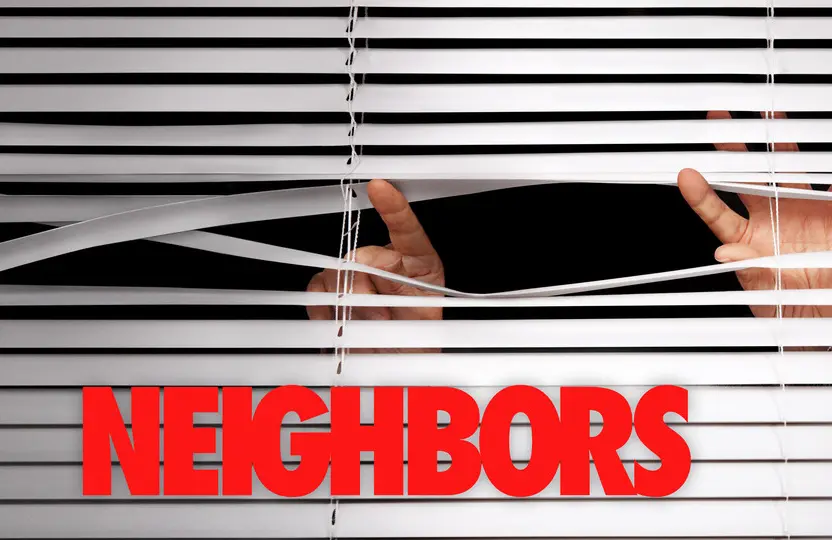
Enter a new HBO docuseries, Neighbors, which follows micro-disputes between neighbors who take their zeal for isolation to extremes. The show spans the country — from a Montana ranch gate to a Florida beach access war to an Indiana suburb smelling of livestock — but its thesis is consistent: these fights aren’t really about the fence, the gate, or the smell. They’re about something older and more American: the belief that space is sovereignty.
Experts who study social connection aren’t surprised. Shira Gabriel, a psychology professor at the University at Buffalo, notes that “the kind of loneliness that many people are feeling right now stems from a distrust of many people in their broader communities and a feeling of isolation from society.” Meanwhile, research shows that Americans are living a contradiction – spending much more time at home these days but not meeting their neighbors. We don’t have community, we have controlled adjacency.
That instinct has a cousin in our civic life: NIMBYism. The Neighbors disputes may seem smaller in scale, but they spring from the same root. Neighbors functions as a hard look in the mirror, suggesting that this level of aggravation is, on some level, a choice. The camera catches its subjects at forks in the road — moments where de-escalation was available and nobody took it. These weren’t acts of self-defense so much as declarations: this is mine, and you are the problem. The aggravation is real, but the choice to feed it — to film it, post it, and watch the comments roll in — belongs to the people on screen. And probably to us too.
Social media provides a similar amplification for NIMBYism. Once you’re performing for followers, backing down feels like losing. Nuance gets no likes.
The fix, the show quietly suggests, is embarrassingly simple: talk it out. Not through a lawyer, not via TikTok — face to face, with your actual face. The research bears this out beyond the show too: people oppose new development in the abstract far more than they do once they’ve met the people who would benefit from it. Familiarity doesn’t guarantee agreement, but it makes demonization a lot harder.