FWD #251 • 1075 words
Factory-Built Housing: A Scalable Solution to Virginia’s Housing Shortage
Guest Blog: Chris McNamara, Senior Strategic Housing Officer with Virginia Housing
The housing shortage affecting the country and Virginians isn’t the result of one factor; and it won’t be solved with any single tool. Increases in construction and borrowing costs, shortages of skilled labor, restrictive zoning, and growing demand have all contributed to making housing less attainable for households across the Commonwealth. Virginia’s localities, developers, lenders, and residents are exploring scalable and flexible tools to meet the unique needs of each community. One of these underutilized opportunities is “factory-built housing.”
What is Factory-Built Housing?
Factory-built housing refers to homes constructed in controlled, indoor environments that are then transported to sites for installation. By shifting from building in the field to the factory, these homes reduce costs and materials waste, shorten timelines, and bring predictability to the construction process. When paired with thoughtful policy and financing, factory-built housing can help Virginia produce more homes. When combined with traditional construction and other innovative methods, this method can help make a meaningful difference in addressing the housing shortage.
What’s the difference: Modular vs. Manufactured Housing
Factory-built housing is often misunderstood, so it’s important to clarify the two primary types:
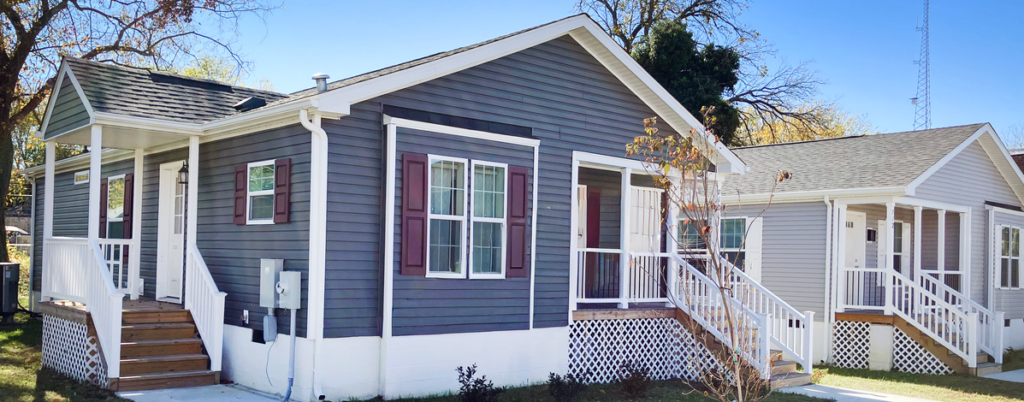
Modular homes are built in a factory, in sections and assembled on site. They must meet the same state and local building codes as site-built homes and are transferred from the factory then placed on permanent foundations. Once installed, modular homes are virtually indistinguishable from conventionally built housing.
Manufactured homes are built to meet theHUD Code and constructed on a permanent chassis. Today’s manufactured homes bear little resemblance to outdated stereotypes; designed to be energy-efficient, durable, and customizable. Manufactured housing provides a cost-effective path to homeownership, while also filling a significant need in the rental sector, particularly in rural and small-town environments. Once on site, these homes can be attached to a permanent foundation.
Why Factory-Built Housing Works
Factory-built housing offers several advantages:
- Speed and predictability. Homes can be built simultaneously with site preparation, tightening development timelines and construction is less dependent on weather conditions.
- Cost control. Plants can purchase material in bulk, reducing waste, and efficient labor models help stabilize costs.
- Quality. Controlled environments allow for regular inspections, tighter building envelopes, and improved energy performance.
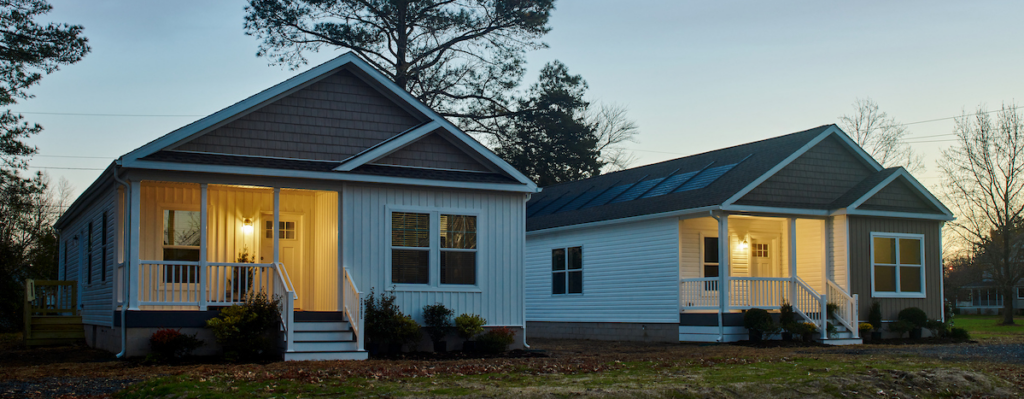
At Virginia Housing, we have been supporting factory-built housing through innovative financing, partnerships, and pilot projects. These projects illustrate how factory-built housing can be adapted to local needs rather than treated as a one-size-fits-all solution:
On the Eastern Shore, the Innovation Cottages in Parksley demonstrate how modular and manufactured homes can both serve workforce households in high-need areas. The project includes two factory-built homes — one modular and one manufactured — designed to be energy-efficient, high-quality, and attainable.
In Petersburg, the Dorsey Homes project is placing nearly 50 manufactured homes on previously vacant lots. Utilizing the Low-Income Housing Tax Credit program, the development combines manufactured housing with traditional financing tools — a first in Virginia. The project creates a pathway to future homeownership, helping residents build stability and equity for generations to come.
Through the Virginia Housing Innovation Grant, Virginia housing has supported efforts by the Norfolk Redevelopment and Housing Authority to compare modular and traditional stick-built townhomes. This has also supported Virginia Tech’s pilot program: Prefabricated Approaches and Volunteer-based Enhancements (PAVE) which helps integrate volunteer labor into the modular construction process.
Factory-built housing has also supported:
- Infill development, where modular homes are placed on vacant downtown lots, like in Marion, VA where modular housing has been a key tool to bringing new housing units as part of the Mount Roger’s Planning District Commission’s housing program.
- Rural housing initiatives, where manufactured homes address limited construction capacity. Many organizations like Habitat for Humanity affiliates have embraced modular construction.
- Senior-Living Communities, where modular construction helps control costs while maintaining design standards, like in Fishersville, VA.
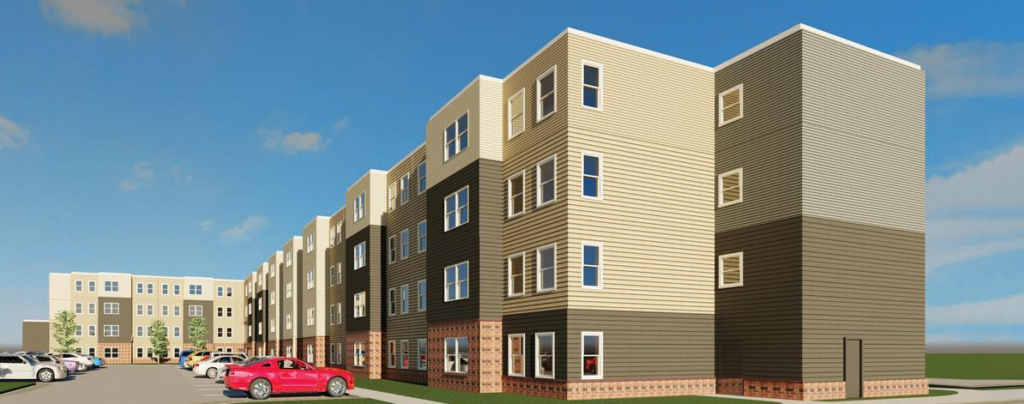
Steps to Unlocking Factory-Built Housing
1. Evaluate zoning and land-use
Many localities restrict manufactured housing or treat it differently than site-built homes. Updating zoning ordinances to focus on design and performance rather than construction method can expand housing options without changing neighborhood character. Danville took a unique approach to addressing this by using an overlay district to allow for manufactured housing in the city.
2. Align financing with timelines.
Traditional construction loans don’t always fit factory-built schedules. Expanding flexible loan products, bridge financing, and predevelopment funding can help projects.
3. Support manufacturers and workforce training.
Public-private partnerships can help manufacturers expand production, invest in innovation, and train workers — strengthening supply while creating jobs.
4. Encourage demonstration projects.
Model developments help overcome skepticism. Supporting small-scale pilots allows communities to see factory-built housing in action before scaling up. Allow community members and decision makers to get a first-hand look at the product to overcome misconceptions.
5. Educational Opportunities-
Encouragedevelopers, policy makers, inspectors, potential renters and homeowners to learn more about this type of construction to help understand how the industry has evolved. Organizations like the Virginia Manufactured and Modular Housing Association can be a valuable partner for these efforts.
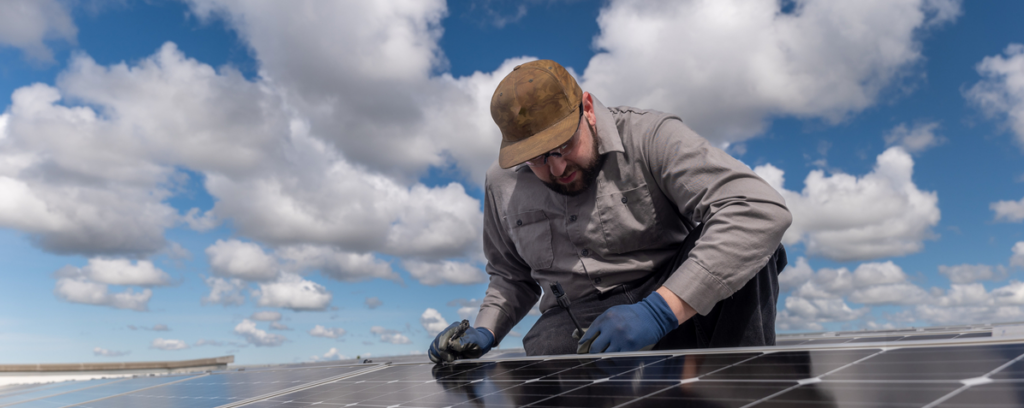
Supporting a Skilled Workforce — Not Replacing One
As Virginia grapples with construction labor shortages, factory-built housing helps stretch the existing workforce further, while giving valuable experience to those entering the field. Manufacturers create employment hubs that can anchor regional economies, particularly in rural areas.
Investing in factory-built housing is merely an investment in workforce development, with opportunities to align manufacturers, Virginia’s Community Colleges, and apprenticeship programs to train the next generation of construction professionals. The skills of these employees are transferable to traditional construction and contractor jobs, creating new opportunities for Virginians.
Ultimately, factory-built housing does not replace stick-built homes, but offers another option for Virginians. Jobs in these factories also don’t take the place of on-site construction jobs — it reimagines them. These facilities, including several right here in Virginia, employ skilled workers, including carpenters, electricians, plumbers, engineers, designers, and logistics professionals. With strategic planning, Virginia could attract additional manufacturers and their suppliers, bringing both jobs and more housing

Part of the Solution
Virginia’s housing shortage demands collaboration, creativity, and innovation. Factory-built housing is not a magic wand, but it is part of the solution. It delivers homes fast, supports skilled jobs, and expands access to stable housing across the Commonwealth.
With the right policies and partnerships, Virginia can ensure factory-built housing plays a key role in helping build not just more homes, but stronger communities.