THE FWD #269 • 830 words
Record beef prices reveal an uncomfortable truth about how America uses its land — and why housing policy is part of the story.
If you skipped the meat aisle on your last grocery run, you’re in good company. Ground beef hit a record $6.90 per pound this spring, and the USDA expects beef prices to climb another 10% in 2026 — far faster than overall inflation. What gives?
Like the housing market, the beef industry has a supply problem. The U.S. cattle herd is the smallest in 75 years, thinned by years of drought, high feed costs, and expensive credit. Clara Peller‘s timeless question remains relevant.
But behind the sticker shock, there’s a less-visible dynamic at play — but one that housing people should recognize instantly. It all comes down to land, and how much of it we’re willing to dedicate or preserve for certain uses.
Beef is a land story
Raising cattle takes a lot of room. Pasture, hay ground, and the cropland that grows feed corn are the foundation of every burger. When that land disappears, or when drought makes it less productive, the whole supply chain tightens and prices rise. Ranchers respond by “culling” their herds, selling animals off rather than breeding them, because feeding a cow through a dry year costs more than it’s worth. Fewer cows today means fewer calves in two years, which is why economists don’t expect relief until 2028 at the earliest.
Here in Virginia, the land side of that equation is moving in one direction. The Commonwealth lost more than 488,000 acres of farmland between 2017 and 2022 — more than in the previous fifteen years combined. Roughly 7,000 small and midsized farms vanished over the last decade. The Office of Farmland Preservation projects that poorly planned growth could convert another 600,000 to 800,000 acres in the years ahead.
Where does the land go?
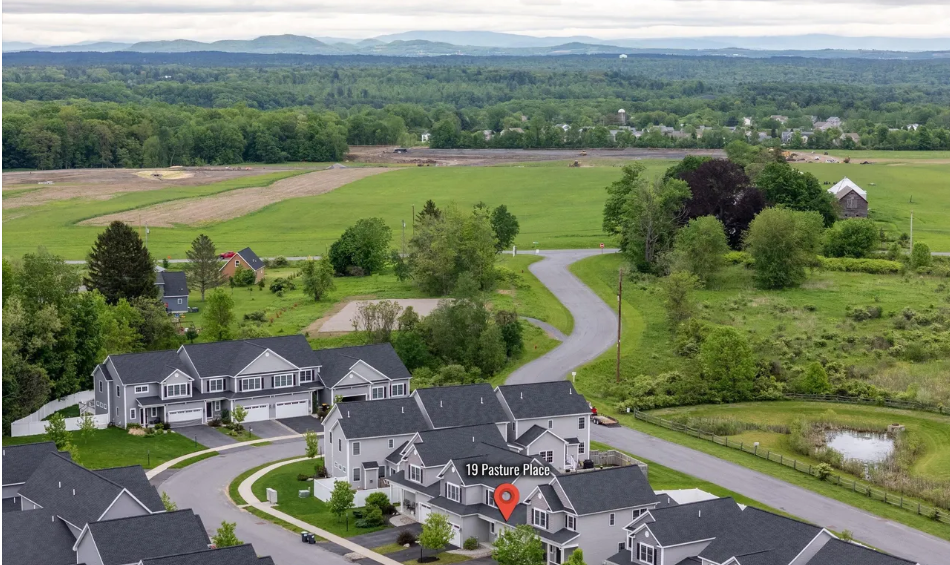
This is where the story circles back to housing — but not in the way you might expect. When we picture farmland loss, we imagine dense subdivisions swallowing the countryside. The data tells a different tale. The American Farmland Trust found that roughly 80% of Virginia’s threatened farmland is lost to low-density residential development — large-lot houses spread thin across the landscape. It’s the least land-efficient way to grow. A single home on ten rural acres consumes far more farmland per family than that same household would in a walkable neighborhood closer to jobs and services.
In other words, how we choose to build homes directly shapes how much land stays in production. Sprawl doesn’t just raise the cost of infrastructure and lengthen commutes; it quietly takes pasture and cropland out of the food system for good. Once a hayfield becomes a cul-de-sac, it never grows hay again.
The FWD takeaway: Compact, well-planned housing and productive farmland aren’t competitors — they’re allies. Every family housed efficiently near existing communities is farmland we don’t have to pave. Land-use decisions made at the county level ripple all the way to the grocery checkout
The climate multiplier
Drought is the thread tying the two crises together. More than 70% of U.S. cattle now sit in drought-affected regions, drying up the grass herds depend on. A warming climate makes those dry stretches longer and more punishing, which shrinks herds and pushes prices higher. At the same time, healthy working farmland does real climate work — soils managed with cover crops and buffers capture carbon, filter water, and hold back floods. Pave it over, and we lose those benefits precisely when we need them most. Development and drought squeeze the same acres from two directions.
Why this matters for Virginia
Agriculture is the Commonwealth’s largest private industry — an $82.3 billion annual impact supporting more than 381,000 jobs. Losing farmland isn’t only an abstract environmental concern; it’s an economic and food-security question with a price tag that shows up on a receipt. And it connects to housing more tightly than most people assume. When we make it hard to build homes where infrastructure already exists, we push growth outward onto working land. The affordability crisis in housing and the affordability crisis at the meat counter share a common root: we aren’t using our land wisely.
Solutions already exist. Smart-growth zoning that welcomes homes near existing communities, Purchase of Development Rights programs that pay farmers to keep land in production, and thoughtful solar siting all point the same direction — accommodating people without erasing the land that feeds them.
You really can’t have your cow and eat it too. But with better land-use choices, Virginia can keep more of both on the table.